Cause and Effect in Ayurveda: How the Charaka Samhita Explains Disease
In This Article
Read about Cause and Effect in Ayurveda: How the Charaka Samhita Explains Disease based on ancient Ayurvedic remedies and practices.
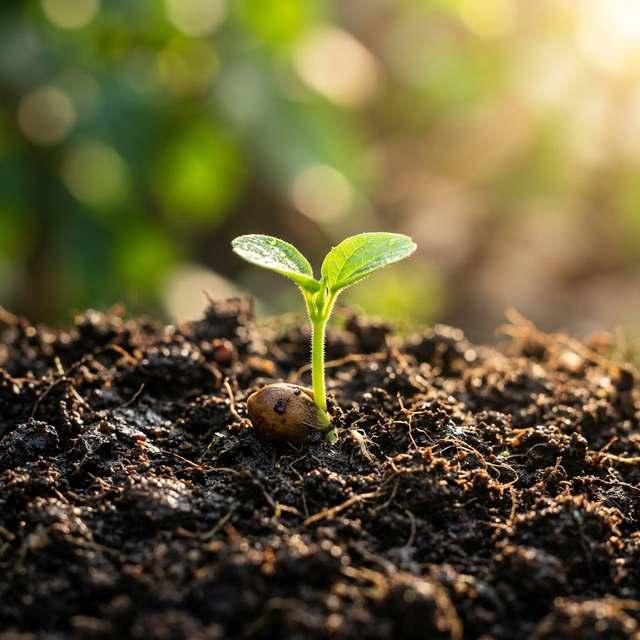
There is a direct causal link between the factors that influence us and the effects they produce. The cause is the concealed effect, and the effect is the revealed cause. The cause is like a seed, in which the as-yet-unmanifested tree is concealed. The tree is the expressed value of the seed.
Health is the effect of a healthy lifestyle and healthy habits; disease is the “tree” sprouted from unhealthy habits. According to the Charaka Samhita, Both the patient and the patient’s environment need to be examined in order to arrive at an understanding of the disease and the causes of disease. It is important to know where the patient was born and raised, and the time of onset of the imbalance. It is also important to know the climate, customs, common local diseases, diet, habits, likes and dislikes, strength, mental condition, etc.
This enumeration opens the door to the wide variety of factors constantly influencing our health. Let us consider some of them. LIKE INCREASES LIKE The first important principle in considering the potential causes of disease is “Like increases like.” A dosha is increased by experiences and influences (such as food, weather, and seasons) with qualities similar to it. Dry foods, dry fruit, running, jogging, jumping, always being in a rush, and working too hard are all factors that aggravate vata in the system.
Pittagenic factors, such as hot spicy food, citrus fruit, fermented food, and hot humid weather, provoke excess pitta. Cold, cloudy, damp weather, eating dairy products, wheat, and meat, and sitting and doing nothing increase kapha. The antidote to “like increases like” is “opposite qualities decrease or balance.” This is the key to healing. : In general, one’s prakruti indicates one’s disease proneness.
Individuals of pitta NOTE constitution, for example, tend to have pitta diseases. But this is not inevitable. A person of vata constitution who eats a lot of hot spicy food, drinks alcohol, lies in the sun, smokes cigarettes, and represses anger will definitely get a pitta disease. If he or she eats candy, cookies, ice cream, and other dairy products and is exposed to cold weather, there will be a susceptibility to congestive kapha disorders.