Attention, Prana, and the Art of Watching the Watcher
In This Article
Read about Attention, Prana, and the Art of Watching the Watcher based on ancient Ayurvedic remedies and practices.
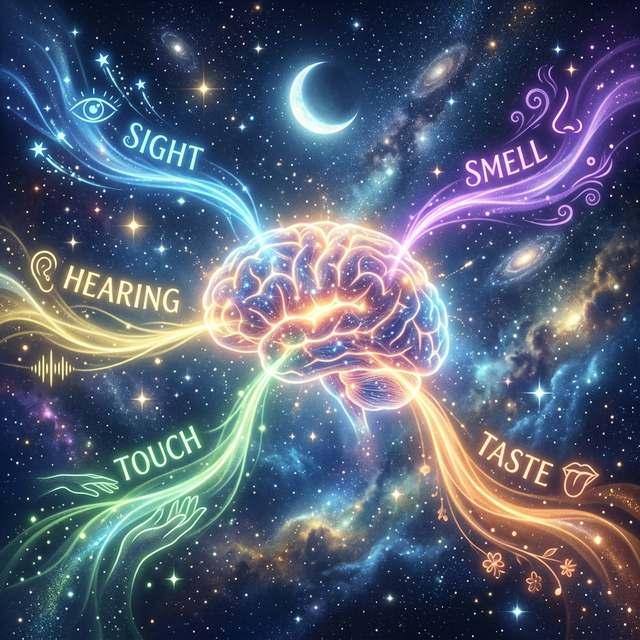
That which goes out of our eyes in order to touch the object of perception, we call attention. Ayurveda says that attention happens when prana goes out and carries the vibration of awareness toward the object. Thus, attention is awareness plus prana, movement. One arrow goes out and touches the object.
At the same time, a second arrow of attention should go inside, toward the center of our heart, to observe the observer. At the time of looking, when you look at the object outside, at the same time, look at the looker; watch the watcher; observe the observer. What happens when the watcher is watched is that the watcher disappears. This simple watching, without a watcher, is called witnessing.
In that witnessing, you develop intimacy, relationship, with the object of perception. Chapter 8 Ayurvedic Dietary Guidelines T he purpose of this chapter is to help you choose a suitable diet for balance, harmony, and health in your life, based on Ayurvedic principles. Health-conscious people today are interested in the role good nourishment can play in their healing and in their health. Many have come to realize that proper food and diet can make a vital contribution to good health, while inappropriate eating is often responsible for poor health, lack of vitality, and susceptibility to disease.
The Ayurvedic tradition offers much insight into what food will suit and balance each individual, how to prepare and cook this food properly, how to avoid food combinations that will create toxins in the body, and what eating habits to cultivate—and which to avoid —in order to receive the most nourishment from what you eat. All these topics, except specific guidelines on how to prepare and cook the food, will be discussed in this chapter. (Interested readers may consult Ayurvedic Cooking for Self-Healing by Lad and Dr. , a complete reference guide to Ayurvedic cooking, including spices and herbs, healing qualities of common foods, menu planning, and dozens of delicious recipes.) Food Guidelines for the Constitutional Types What you eat should be suited to your individual constitution.
Ideally, in deciding what to eat, you would know your constitution and understand its relationship to the qualities of various kinds of food, including whether each food would be helpful or aggravating to your unique doshic balance. You would have to take into account the taste of the food (we will discuss that issue later in this chapter), and whether its qualities are heavy or light, oily or dry, liquid or solid. You would also have to know whether the food is cooling or heating (virya), and its postdigestive effect (vipaka). If you are interested, you can go more deeply into Ayurvedic theory in order to fully comprehend these factors (see the Reading List).